You can prepare the perfect answers and still walk out of an interview feeling like you did not fully show your potential. Why does that happen? Because interviews are not decided by words alone. They are shaped by presence, energy, and the subtle signals you send before you even begin speaking.
In Japan’s competitive job market, where professionalism and composure are highly valued, body language can quietly influence how credible and capable you appear. The good news is that confidence is not just a personality trait. It is a skill you can build.
First Impressions Happen Fast
From the moment you enter the room, you are being evaluated. The way you walk, how you greet the interviewer, and even how you sit down all contribute to the impression you create.
A steady pace, relaxed shoulders, and natural eye contact signal composure. A rushed entrance, hunched posture, or hesitant movements can unintentionally suggest uncertainty. Before your next interview, practice simply walking into a room with intention. It sounds basic, but awareness of your physical presence can immediately elevate how others perceive you.
Posture Reflects Self-Belief
Your posture often reveals how you feel about yourself. Sitting upright with your feet grounded and shoulders relaxed communicates stability and assurance. Slouching can make you appear disengaged, while overly rigid posture may suggest tension.
Confidence is balanced. It is open but not forced. If you want a simple hack, imagine a string gently pulling the top of your head upward. That small mental cue can instantly improve how you carry yourself.
Eye Contact Builds Trust
Have you noticed how easy it is to look down when answering a difficult question? It is a natural reaction to pressure. Yet consistent eye contact conveys honesty and clarity.
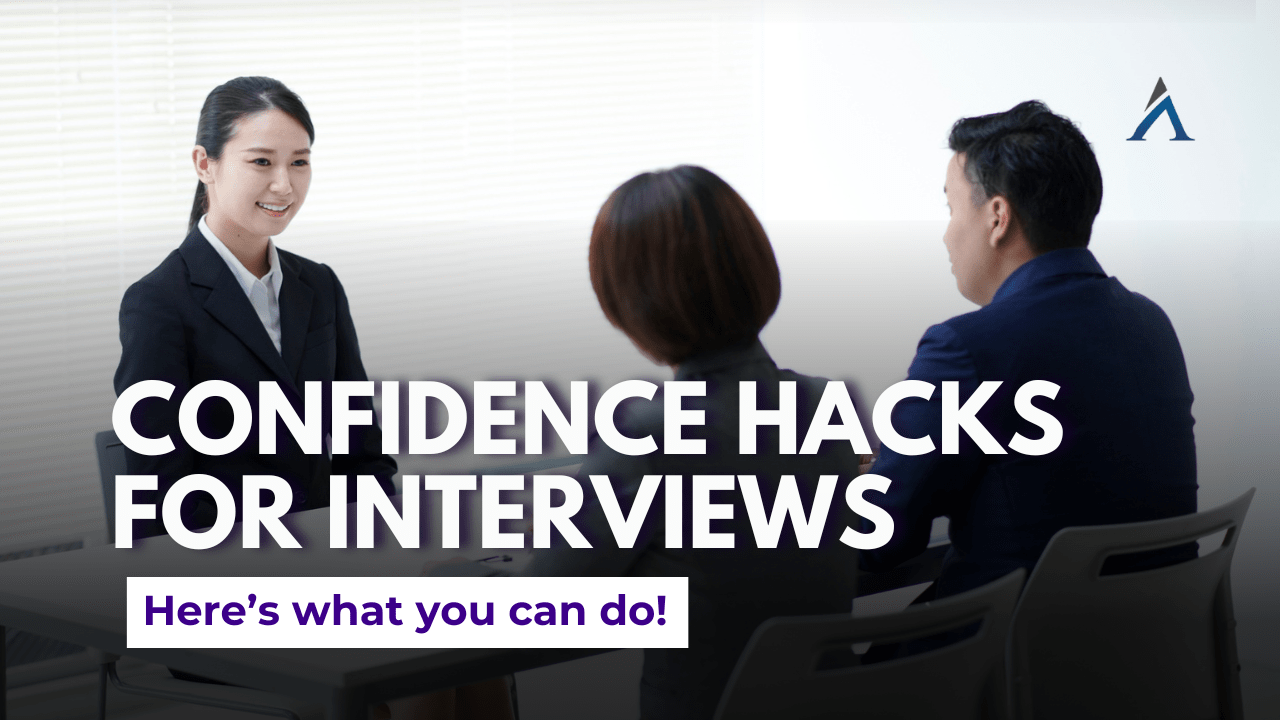
In interviews with multiple people, shift your gaze naturally between them as you respond. When you need a second to think, briefly glance away, gather your thoughts, then reconnect. That rhythm feels thoughtful rather than nervous.
Control the Small Signals
Nervous habits often go unnoticed by the person doing them but are visible to everyone else. Tapping a pen, fidgeting with your hands, or bouncing your leg can distract from your message.
Instead of trying to eliminate movement entirely, channel it with intention. Use calm hand gestures to emphasize key points. Keep your hands resting comfortably when listening. Slowing your breathing before answering challenging questions can also steady your physical reactions.
Your Voice Is Part of Your Body Language
Confidence is not only visual. It is audible.
When people feel nervous, they often speak too quickly. Speed can make strong answers sound uncertain. Slowing down, pausing briefly before responding, and allowing silence to exist for a moment can project maturity and control.
Think about it this way. Leaders rarely rush their words. They speak with clarity and intention.
Prepare Your Opening With Purpose
The first question, often “Tell me about yourself,” sets the tone. If you hesitate or ramble, it can create early doubt. A concise, structured introduction that clearly explains who you are, your strengths, and the value you bring establishes authority from the beginning.
Practice until it feels natural. Not memorized, but owned.
Confidence Starts Before the Interview
True confidence is built in preparation, not in the room.
When you understand the company, the role, and how your experience connects directly to their needs, your body naturally relaxes. Preparation reduces anxiety because it replaces uncertainty with clarity.
Ask yourself before entering: Have I prepared enough to trust myself?
How Ascent Global Partners Can Help
At Ascent Global Partners, we support professionals in Japan with interview preparation that goes beyond scripted answers. We help candidates refine their executive presence, strengthen communication style, and present their value with confidence. From mid-level roles to senior leadership positions, presence matters.
Conclusion
Interviews are performance moments. Your expertise gets you invited, but your presence influences the final decision. By improving posture, eye contact, vocal pacing, and preparation habits, you shift from simply answering questions to commanding the room.
Small adjustments in how you carry yourself can create significant changes in how others see you.
Check out our website – ascentgp.com for tons of useful tips on career advice, resume tips, interview follow-ups, and a wide range of other topics. Plus, we’ve got articles and podcasts on career, leadership, and recruitment advice: ascentgp.com/blog.